NCSC Advises UK Organisations to Take Action Following Conflict in the Middle East
The National Cyber Security Centre (NCSC) is urging UK organisations to review their cyber security posture following the evolving conflict in the Middle East. While the direct threat to the UK remains low, the risk of indirect cyber activity — particularly from Iran-linked threat actors — has increased. Now is the time for organisations to strengthen monitoring, reinforce defences, and follow NCSC guidance.
- Heightened risk of indirect threats from Iran-linked cyber activity
- Importance of reviewing posture, monitoring, and attack surface
- Recommended NCSC guidance and Early Warning registration
- Actions for higher-risk and CNI organisations

Why the NCSC Has Issued This Alert
In response to the recent conflict in the Middle East, the NCSC is advising UK organisations to revisit and reinforce their cyber security posture. According to the latest assessment, there is currently no significant direct cyber threat from Iran to the UK. However, the fast‑moving nature of the situation means this could change rapidly.
The NCSC highlights that there is almost certainly a heightened indirect threat to UK organisations with operational ties or supply chains connected to the Middle East. Iran-linked cyber actors are also assessed to maintain capabilities to conduct disruptive cyber activity.
How the Threat Landscape Has Shifted
Although a large-scale attack on UK infrastructure is currently unlikely, organisations should not interpret the situation as low‑risk. The indirect risk comes primarily from:
- Iran-linked hacktivists targeting organisations connected to the region
- Potential collateral impact from wider cyber operations
- A rapidly evolving geopolitical context that may shift threat levels suddenly
Because of this, the NCSC stresses the importance of continuous reassessment and timely action.
Recommended Actions for UK Organisations
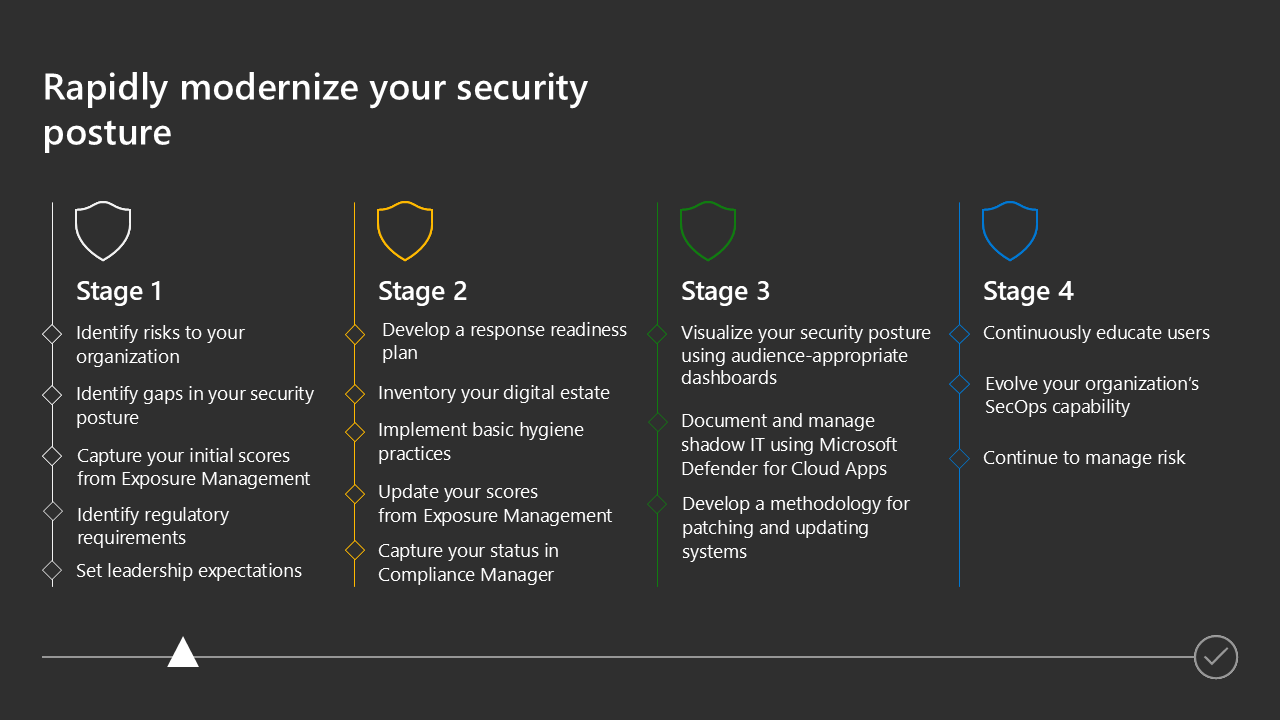
To prepare for possible disruptions, the NCSC advises all UK organisations to follow previously issued guidance concerning:
- DDoS attacks
- Phishing activity
- ICS (Industrial Control System) targeting
Those with higher exposure — such as businesses with offices, customers, or suppliers in the Middle East — should adjust their cyber security posture accordingly. This includes following the NCSC’s Actions to take when the threat is heightened guidance, increasing monitoring, and reviewing the organisation’s external attack surface.
Guidance for CNI and High‑risk Sectors
Critical National Infrastructure (CNI) organisations may face increased risk and are encouraged to review the NCSC’s recently published guidance on preparing for severe cyber threats. Proactive assessment and readiness planning are strongly recommended due to the fluidity of the current situation.
For physical and personnel security considerations, organisations should refer to guidance from the National Protective Security Authority (NPSA), including specific sabotage‑related advice for protecting sites.
Improve Detection: Sign Up for NCSC’s Early Warning
All UK organisations are urged to register for the NCSC’s Early Warning service, which provides timely alerts when security issues are detected on your network. This helps improve visibility of potential threats and increases your ability to respond quickly.
Review, Act, Report
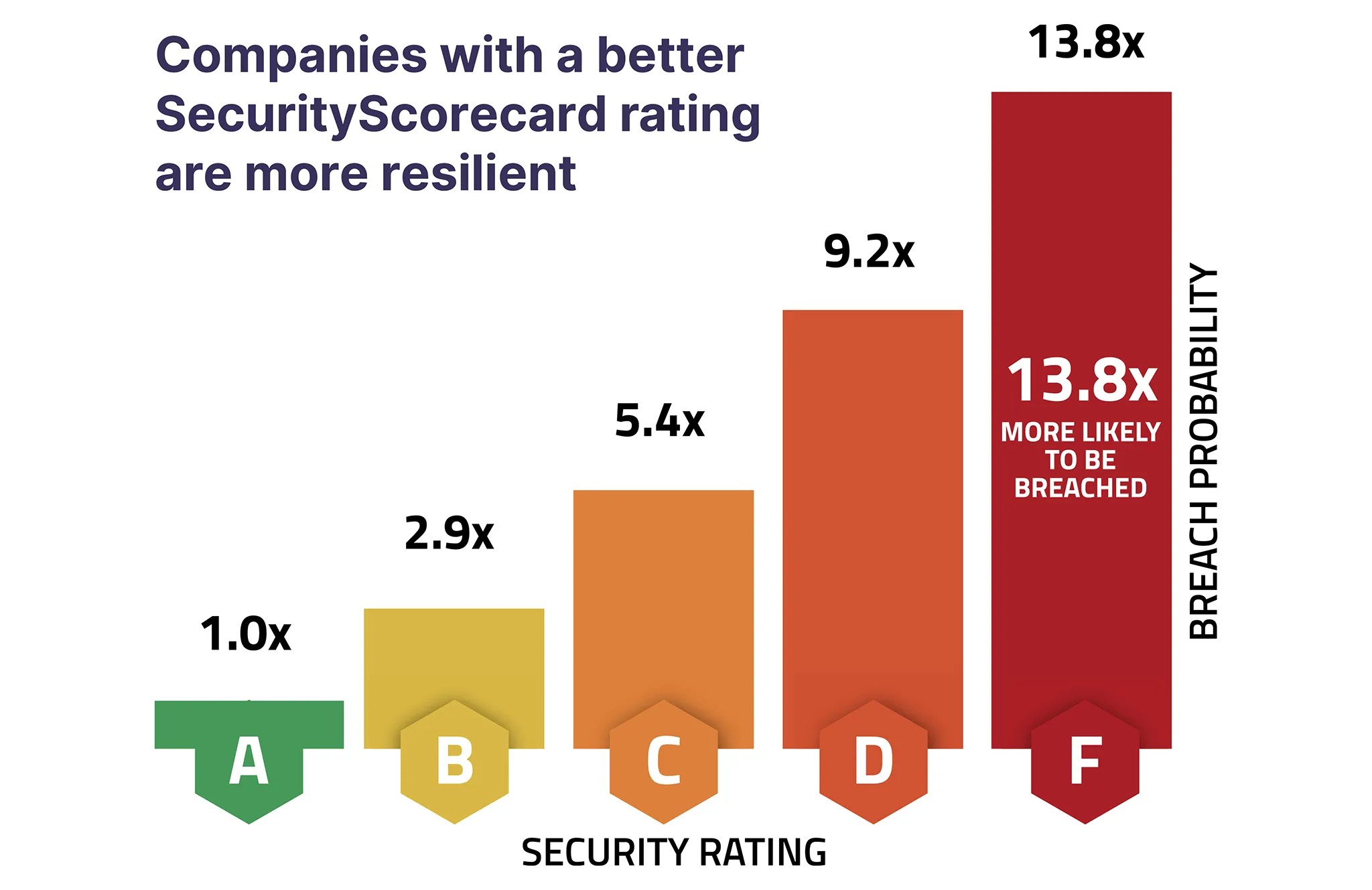
The NCSC advises all organisations to:
- Review their risk posture
- Take proportionate action based on threat exposure
- Report any suspicious or concerning activity immediately to the NCSC’s Incident Management team via Report a cyber incident
With the situation evolving, increased vigilance and proactive security measures are essential to protecting UK organisations.
A Message From Our CISCO
“Before the events of the last week, the NCSC described Iran as "an aggressive cyber actor with a range of espionage, disruptive and destructive cyber capabilities". Attack activity is now only likely to increase, so all companies should accelerate any existing plans to secure their IT environments. The vast majority of companies we speak with leverage Microsoft 365 for messaging, file sharing and collaboration, in conjunction with system administration tools in Microsoft Azure. Microsoft reported in their latest Digital Defence Report that "a growing and significant trend across a few Iranian threat actors is the abuse of cloud infrastructure, particularly Microsoft Azure, for command and control, persistence, email exfiltration, and other malicious activities"."”
— Stephen Holmes, Chief Information Security Officer, Reflective IT
Ready to Elevate Your Security Posture?

Contact Reflective IT today to strengthen your security posture and protect your business in 2026.
📞 0207 317 4535 | 📧 support@reflectiveit.com