Black Friday falls on 27th November this year, and the run-up to Christmas is one of the busiest times of year for scammers.
It isn't just shoppers who are targeted. Busy teams, end-of-year payments and staff working remotely make businesses an attractive target too, and the scams are getting harder to spot.
This article covers the five scams your team is most likely to see this season, how to spot them, and what to do if something goes wrong.
If you'd like help protecting your team this festive season, Reflective IT's team is happy to help.
TL;DR
- Action Fraud figures show £11.8 million was lost to online shopping fraud between November 2024 and January 2025.
- The big three for businesses are fake delivery texts, “the boss needs gift cards” emails and changed bank details on invoices.
- Fake shops and too-good-to-be-true deals spike around Black Friday.
- If a message creates urgency, stop and check using a phone number you already know - never the one in the message.
- Forward scam texts to 7726, and report suspicious emails using your phishing alert button or by forwarding them to support@reflectiveit.com.
Peak Season for Scammers
Black Friday falls on 27th November this year, and the run-up to Christmas is one of the busiest times for scammers. Action Fraud figures show £11.8 million was lost to online shopping fraud between November 2024 and January 2025.
It isn’t just shoppers who are targeted. Busy teams, end-of-year payments and staff working remotely make businesses an attractive target too.
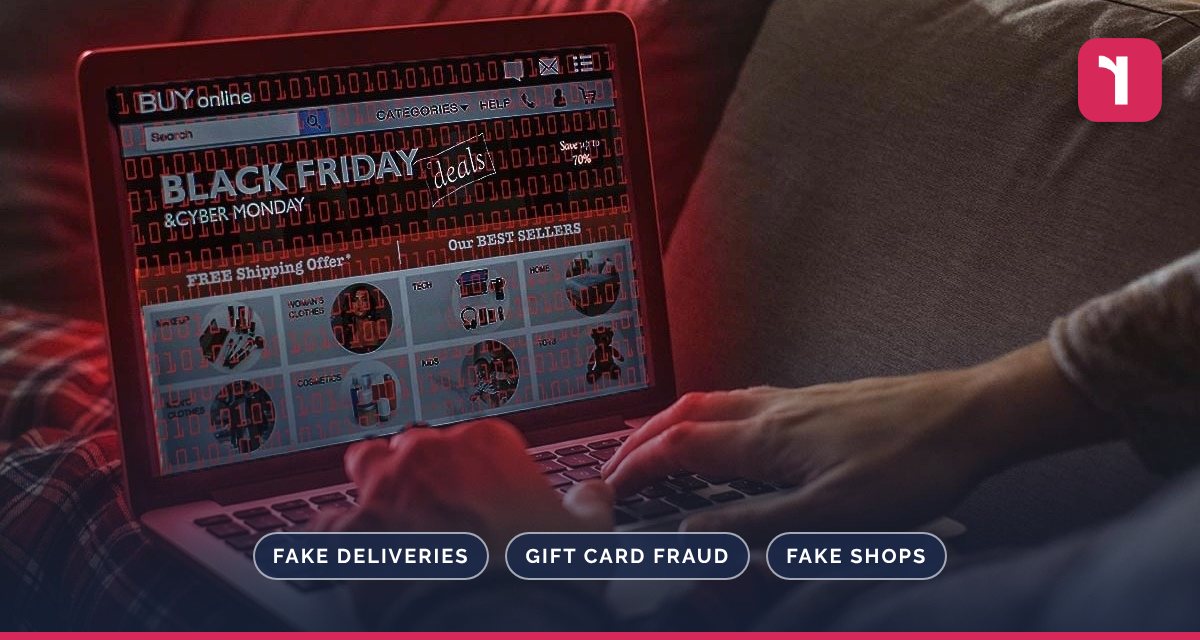
5 Scams to Warn Your Team About
1. Fake delivery texts
“Your parcel couldn’t be delivered. Pay £1.99 to rebook.” The link leads to a fake site that steals card details. Check deliveries on the courier’s own website or app instead.
2. “The boss” needs gift cards
An urgent email or text, apparently from a director, asks someone to buy gift cards for clients or make a quick payment. Always check by calling them on a number you already know.
3. Changed bank details
A “supplier” emails to say their bank details have changed, just before a big invoice is due. Never change payment details based on an email alone: call the supplier on a number you trust.
4. Fake shops and deals
Lookalike websites and social media adverts offer huge discounts on popular items. Look for poor spelling, odd web addresses and missing contact details, and pay by credit card where you can.
5. Festive phishing emails
E-cards, party invitations, fake order confirmations and charity appeals can all hide malicious links or attachments. If you weren’t expecting it, don’t click it.
Reflective IT tip: If a message creates urgency, stop and check using a phone number you already know, never the one in the message. Forward scam texts to 7726, and report suspicious emails to us using your phishing alert button, or by forwarding them to support@reflectiveit.com.
What to Do if Something Goes Wrong
- Clicked a link or entered a password? Call us straight away on 020 7317 4535 so we can secure your account.
- Made a payment? Contact your bank immediately using the number on your card, and report it to Action Fraud.
- Not sure? Forward the message to support@reflectiveit.com and we’ll check it for you.
Sources: Which?, NCSC, Action Fraud.
Want to make sure your team is ready for scam season? Reflective IT can help with email filtering, multi-factor authentication and security awareness training, so fewer scams reach your team, and they know what to do when one does.
Speak to the Reflective IT team about protecting your team from scams, or call us on 020 7317 4535.